
Health blog Category: Shoulder Pain
A Common Joint to Injure

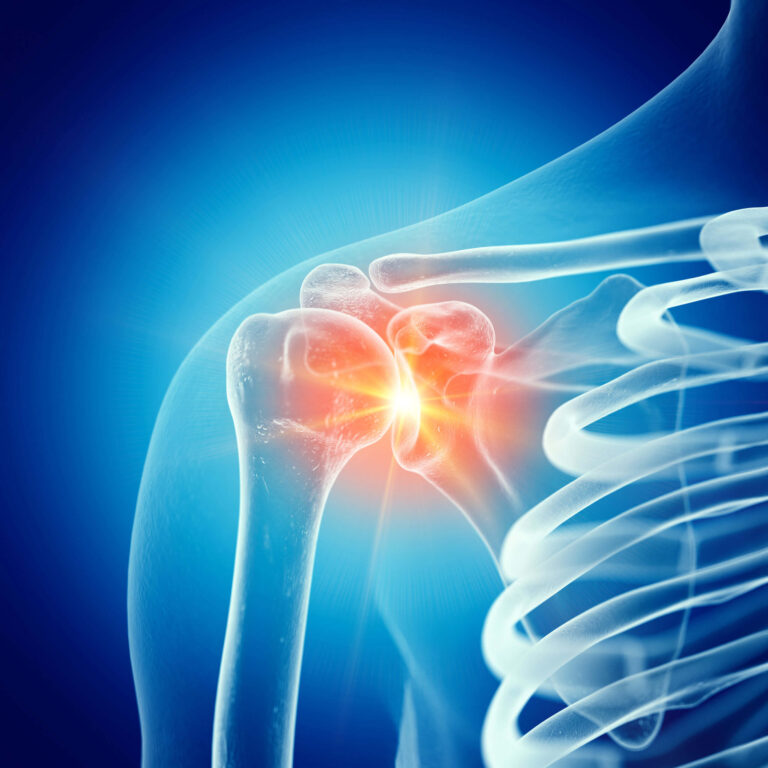
The shoulder is a very common joint to injure. This is due to the nature of the joint. The shoulder joint is a very shallow joint which has mostly muscles and ligaments holding it in place in addition to a thick and stiff piece of cartilage called the labrum, which helps to vacuum seal the two bones of the shoulder in place. Since the joint has a lot of movement this can be a factor in causing injuries.
Read full blogIssues with Our Shoulder

If you are experiencing; trouble reaching into that cabinet, pain when brushing or washing your hair, or even trouble just reaching to pick things up, you’re probably dealing with a shoulder issue. There are several reasons you why you could be experiencing issues with your shoulder. Regardless of the cause, physical therapy is the solution to the problem!
Common shoulder issues you could be experiencing:
- Impingement:
- Caused by overuse, repetitive overhead motions, or poor mechanics with lifting and moving.
- Frozen shoulder (adhesive capsulitis):
- Caused by any type of injury that significantly decreases range of motion at the shoulder.
Inflammation from Repetitive Stress

Impingement syndrome of the shoulder is a condition in which the muscles and tendons of the shoulder experience inflammation due to repetitive stress from the bones on the soft tissue.
The shoulder joint consists of the:
- Upper arm bone (humerus)
- Shoulder blade (scapula)
- Collar bone (clavicle).
The shoulder has several muscles including the rotator cuff which is most often associated with shoulder impingement.
What Causes Shoulder Impingement?
Read full blogPain, Weakness, & Loss of ROM

Shoulder pain and weakness are some of the most common reasons people seek help from a medical professional. The design of the shoulder as a ball and socket joint whereas the rounded head of the humerus articulates with the cup-like depression of the scapula giving it a wide degree of movement is why the shoulder is so commonly injured.
This joint is held together by an extensive group of muscles and ligaments that can be weakened by certain types of repetitive forces.
Hurting Shoulder and No Sleep

“My shoulder pain wakes me up at night and I can’t get comfortable.”
Sound familiar?
Shoulder pain associated with sleep is one of the biggest complaints we hear when it comes to the shoulder. It is also a very common reason people seek out physical therapy.
Why is this happening?
Most often the pain occurs when lying directly on the shoulder but it can also occur laying on the uninvolved side or when on your back.
Read full blog“Ouch! I think I just tore my Rotator Cup!”

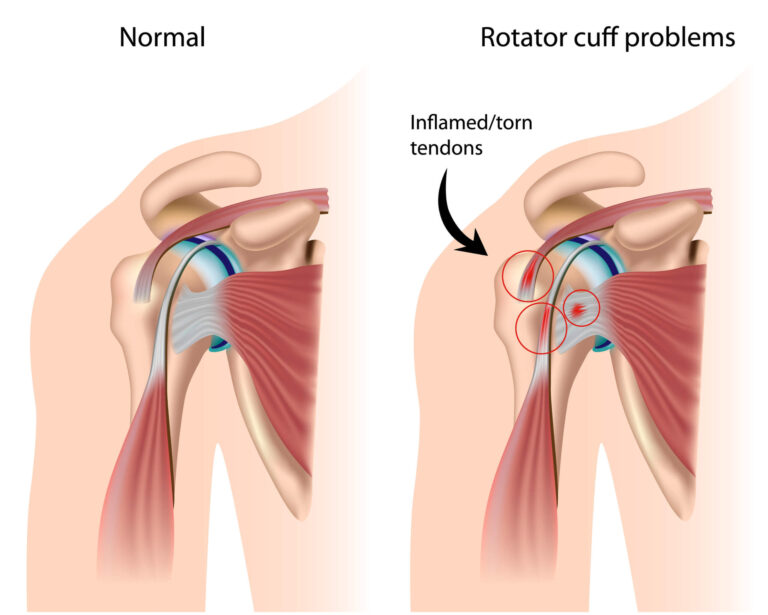
I believe the term you’re looking for is “Rotator Cuff” and its main purpose is to encapsulate the shoulder joint and provide support. Now that that is out of the way, let’s get down to business.
What is the Rotator Cuff?
The Rotator Cuff, RTC, consists of four muscles: Subscapularis, Supraspinatus, Infraspinatus and Teres Minor, that all come together to stabilize the shoulder’s multi-directional movements. Whether you experience a partial or a full tear in your RTC, a lot of the same actions are happening inside of the joint.
Read full blogNo Excuses, It’s Time to Treat Shoulder Issues

The most common perpetrators of shoulder pain are impingement of the rotator cuff muscles and biceps tendons. They hurt when you lift your arm above shoulder height. This can become a vicious cycle because repetitive motion can cause pain, which stops you from lifting your arm above your head and reaching for your favorite coffee cup out of the cupboard, or putting on your afternoon/evening T-shirt.
Common Causes of Shoulder Injury
Shoulder injuries are one of the most common injuries. Most shoulder discomfort or pain is caused from an injury itself or from overuse.
Some of the most common ailments related to the shoulder include:
- Tight/overworked muscles
- Tendonitis
- Impingement
- Joint stiffness
- Traumatic injury/dislocation
- Weak muscles
- Repetitive movement
- Poor shoulder mechanics
Indicators of Shoulder Injury
Shoulder pain can present itself in many different ways.
- You may first notice pain and/or tightness when moving your arm in certain directions.
- Then, it may progress to where you start to lose range of motion.
- Range of motion loss is often first seen when trying to tuck in a shirt, fasten a bra or reach into a cabinet.
- Sometimes, shoulder pain can manifest itself further down the arm as well.
Why Choose PT?
Read full blogShoulder Overuse Injuries

The shoulder is a very mobile joint due to its ball and socket design which gives it a large range of movement. So…it needs to be stabilized by all the muscles and ligaments that surround the joint. Many factors can result in these muscles and ligaments being over worked including:
- Weakness
- Fatigue or muscle endurance limitations
- Over training
- Poor technique with stroke (especially freestyle)
- Tightness
Over time injuries such as swimmer’s shoulder, rotator cuff impingement, and tendinitis occur.
Read full blogAvoid Back Pain When Shoveling this Winter

With winter here and the chance of snow right around the corner, it is important to know the proper way to shovel, in order to prevent back and shoulder injuries – ones we see frequently after a big snow. The good news though is that lower back and shoulder pain can be easily prevented by using correct body mechanics.
Try these tips to keep your back pain-free:
- Choose the Right Shovel
- An ergonomic snow shovel will help take the stress off your back and make your snow shoveling a much easier task.
Rotator Cuff Tears: Rehabilitation vs. Surgery

In the physical therapy business, regardless of the time of year, we see plenty of patients complaining of shoulder pain. Most shoulder pain occurs following repetitive movements. These cause wear and tear that breaks down the rotator cuff tendons. Activities such as raking leaves and shoveling are common culprits that send people to seek medical attention for shoulder pain. In addition, injuries that involve lifting can also cause increased pain in the shoulders.