What is Frozen Shoulder?
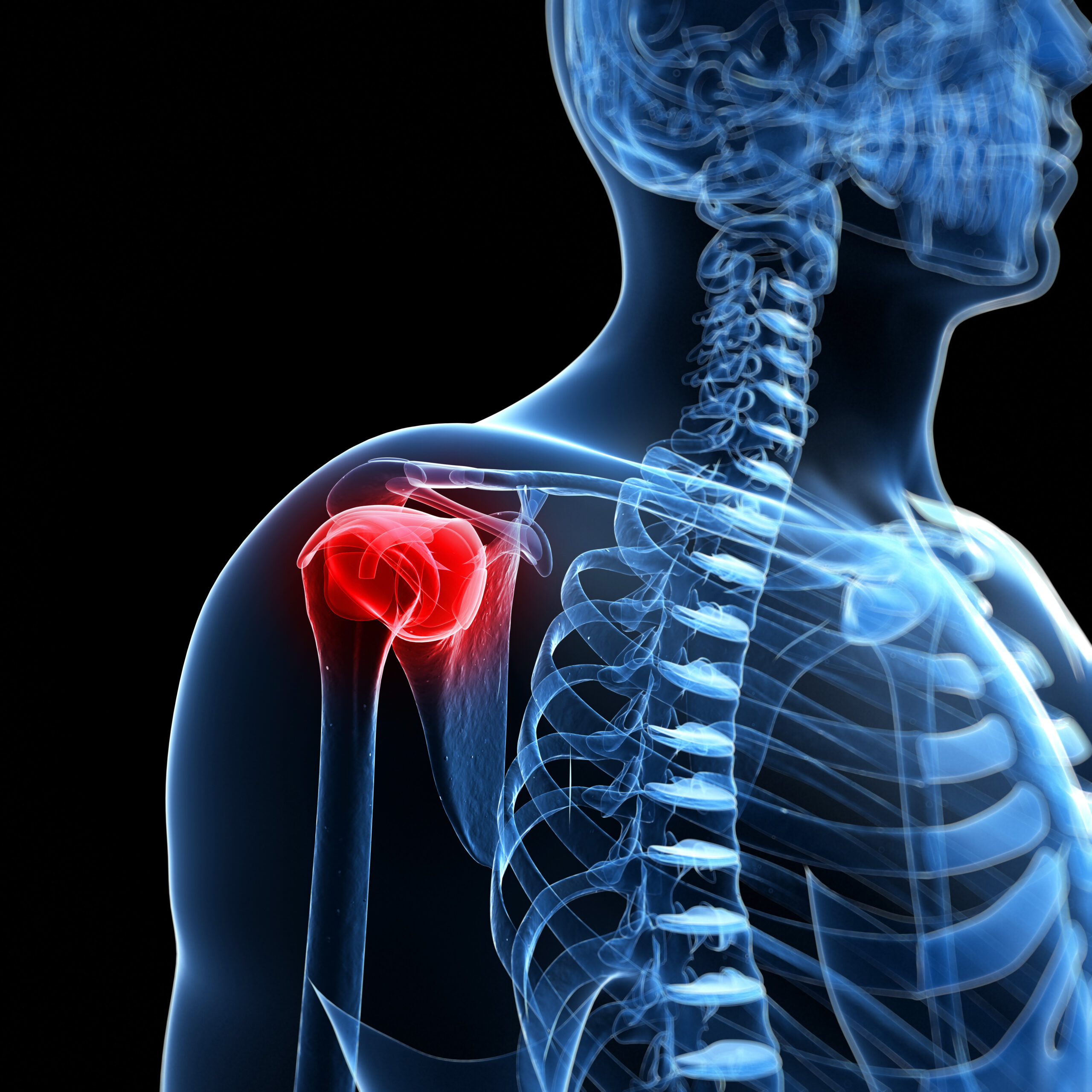
Frozen shoulder, medically known as Adhesive Capsulitis, occurs when the tissues surrounding the shoulder joint thicken and tighten. This leads to:
- Stiffness
- Limited range of motion
- Difficulty moving the arm
Frozen shoulder can make everyday tasks—like reaching into cabinets, driving, or playing with your children or grandchildren—painful or impossible.
Causes of Frozen Shoulder
Frozen shoulder often develops gradually after an injury or period of limited arm use. For example:
- You may have injured your arm while playing with your kids or during exercise.
- Mild pain caused you to limit movement.
- Over time, decreased use leads to stiffness and severely restricted motion.
Signs and Symptoms
Common signs include:
- Persistent stiffness in the shoulder
- Pain when moving the arm, sometimes severe
- Dull aches that may be present throughout the day
- Difficulty performing daily tasks that require arm movement
How Physical Therapy Treats Frozen Shoulder
Physical therapy is the primary and most effective treatment for frozen shoulder. Treatment focuses on:
- Reducing Pain: Gentle exercises and manual therapy help decrease discomfort.
- Regaining Range of Motion: Targeted stretches restore shoulder flexibility.
- Strength Training: Once mobility improves, strengthening exercises help patients return to normal activities such as:
- Playing sports like tennis
- Household tasks like loading the dishwasher
- Playing with children or grandchildren
- General exercise and fitness routines