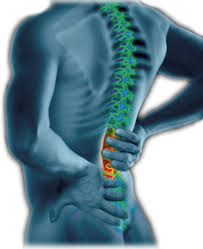
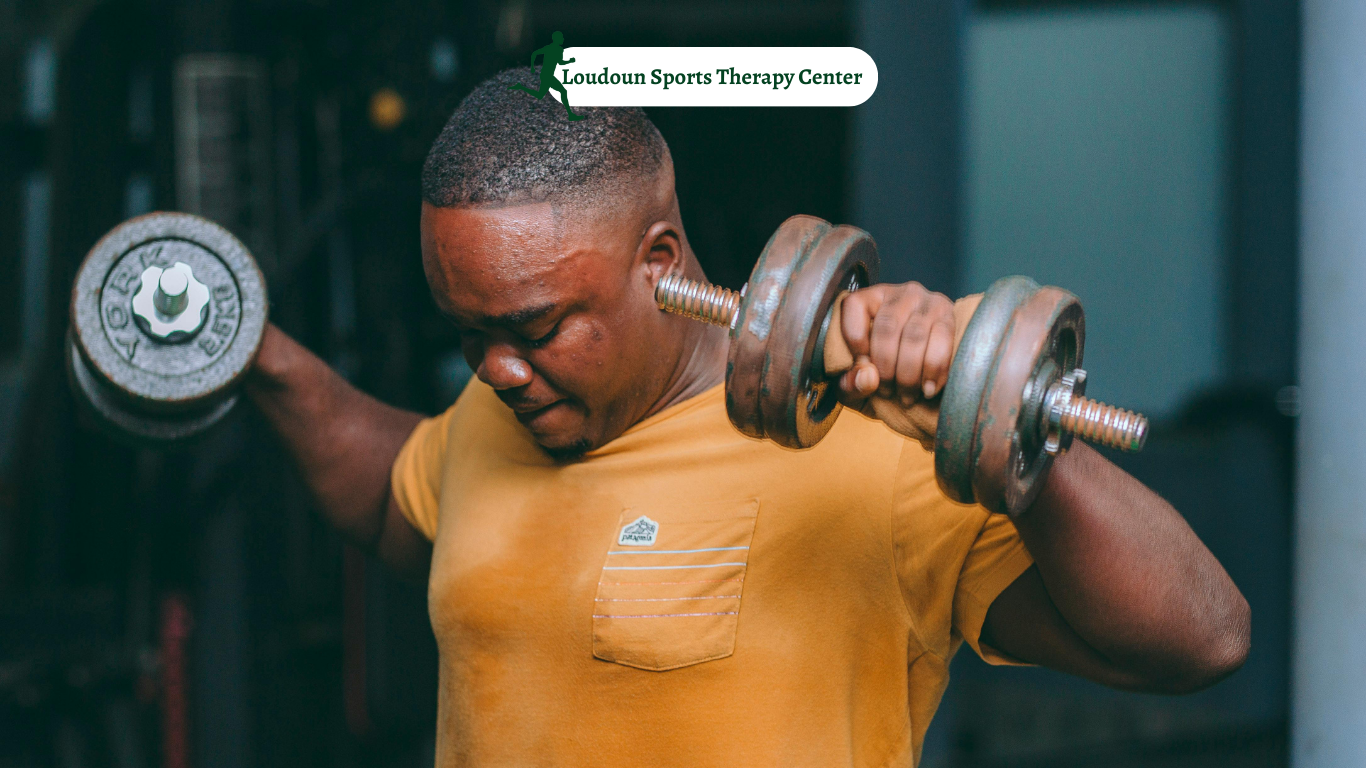
As 2026 begins, many individuals are making significant lifestyle changes to improve their health and wellness. For many, this includes starting a new exercise program and joining a gym. While strength training offers numerous benefits including; increased muscular strength, enhanced metabolism, and weight management, it can also lead to injuries when performed improperly. One area particularly vulnerable to injury during resistance training, especially when using free weights such as dumbbells or barbells, is the lower back.
There are two primary reasons individuals experience lower back pain shortly after beginning a new exercise program…
1. Inadequate Core Strength and Improper Abdominal Bracing
The first common cause is insufficient core strength and improper bracing technique during lifts. If you notice your lower back arching excessively when holding a barbell, or feel yourself leaning to one side when holding a dumbbell, these are signs that core weakness and instability may be contributing to your discomfort.
When most people think of core exercises, they envision sit-ups, crunches, or planks. While these exercises have value, they don’t adequately develop lateral, rotational, or dynamic stability. Activities like walking with a dumbbell or performing a barbell back squat require maintaining a strong core contraction through dynamic movements across multiple planes of motion. This complexity presents a significant challenge for the core musculature, and without proper conditioning, can result in muscle strains or pulls in the lower back.
To develop comprehensive core strength, incorporate exercises that include dynamic and rotational components, such as dead bugs, bird dogs, Pallof presses, loaded carries, and single-leg stance variations.
2. Improper Exercise Form
The second common cause of exercise-related lower back pain is incorrect technique. Many people assume that because they can squat down to pick something up from the floor, they know how to perform a proper barbell squat. Common form errors include knee valgus (knees collapsing inward) during squats, rounding the back during deadlifts, or twisting while picking up a dumbbell. When external load is added to these movements, even minor technical flaws can generate substantial force through the lower back musculature, resulting in painful injuries.
Take Action
If you’re starting a new exercise program and want to prevent injury, need your lifting mechanics evaluated, or require assistance recovering from an injury a physical therapist can help! CLICK HERE or give us a call 703-450-4300 and we will get you schedule for an evaluation!